
Why Your Teeth Hurt When You Fly (And What to Do About It)
That ache on takeoff isn’t in your head — and it may be telling you something useful.
· Last updated
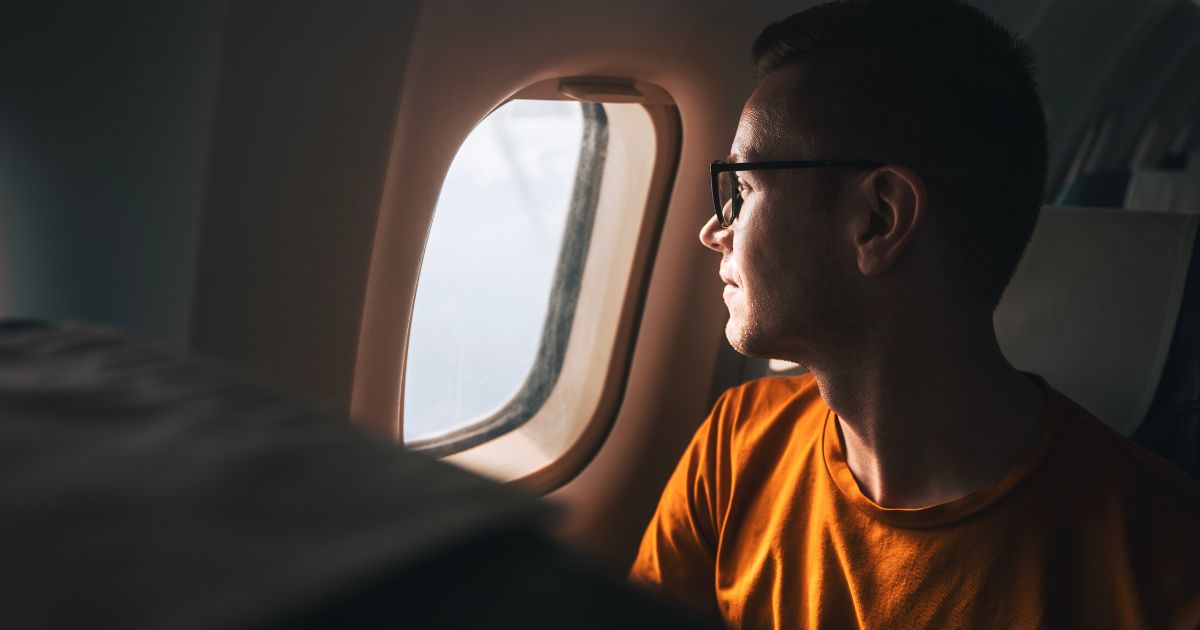
Have you ever felt an unexpected twinge of tooth pain during takeoff or landing? If so, you’re far from alone. Plenty of travellers are caught off guard to find that flying can trigger dental discomfort, and the surprise often comes with a worry that something might be seriously wrong.
The reassuring news is that in-flight tooth pain is more common than most people realise. Better still, understanding why it happens can help you prepare for your next trip, and sometimes flag a dental issue worth looking into.
What causes tooth pain during a flight
The mechanism behind high-altitude tooth pain is air pressure change, sometimes referred to as barotrauma. As the aircraft climbs and descends, the shifting pressure affects the air-filled spaces in your body, including your sinuses and tiny pockets within your teeth.
With healthy teeth, you’ll usually notice nothing at all. The pain tends to appear when there’s trapped air somewhere it shouldn’t be, beneath a filling, around a crown, or inside a small cavity you didn’t know was there. As cabin pressure changes, that trapped air expands or contracts, and the result can range from mild discomfort to a sharp, throbbing ache.
When flight tooth pain points to a problem
For some travellers, the discomfort is temporary and settles once cabin pressure stabilises. But pain that’s persistent or severe during a flight often signals an underlying dental issue worth attention rather than something to simply wait out.
Common culprits include loose or failing fillings, small cavities, cracked teeth, and sometimes sinus infections pressing on the upper molars. In a sense, the altitude change acts like a rough diagnostic tool, surfacing problems that stay silent at ground level. If it happens, it’s worth noting which teeth are affected and how long the discomfort lasts, since that detail is genuinely useful to your dental team later.
Practical tips for more comfortable flying
A little preparation can help if you’re prone to airplane tooth pain. Some travellers find an over-the-counter pain reliever before flying takes the edge off, and staying well hydrated is worth doing regardless, since dehydration can heighten sensitivity to pressure changes.
During takeoff and landing, gentle jaw movements like yawning or chewing gum can help equalise pressure, much as they do for blocked ears. Swallowing frequently has a similar effect and brings some people relief.
When to see us
Any tooth pain that shows up during a flight deserves a dental check, particularly if it’s severe or lingers after landing. Even pain that vanishes completely once you’re back on the ground can point to a small cavity, a loose filling, or another issue that will eventually make itself known.
Think of it as an early heads-up rather than a false alarm. Get in touch with TMJ Therapy Centre to arrange an appointment and take some of the worry out of your next flight.
More on this topic: Nasal Breathing & Sleep