
Beyond Brushing: How Your Diet Affects Your Dental Health
Brushing and flossing matter — but what’s on your plate is quietly doing its own work.
· Last updated
Brushing and flossing are rightly seen as the cornerstones of oral hygiene, but they’re only part of the story. The foods and drinks you reach for through the day play a significant role in your dental health too, building up or wearing down your teeth in small increments. Understanding the connection helps you make choices that work with your routine rather than against it.
The aim here isn’t a restrictive diet or a list of forbidden foods. It’s a clearer sense of which foods support your teeth and which ask a little more care, so you can find a balance that’s genuinely liveable.
Foods that help strengthen your teeth
Some foods actively support dental health. Calcium-rich options like cheese and milk help reinforce tooth enamel and support the jaw’s bone structure, and they also contain casein, a protein thought to help protect enamel.
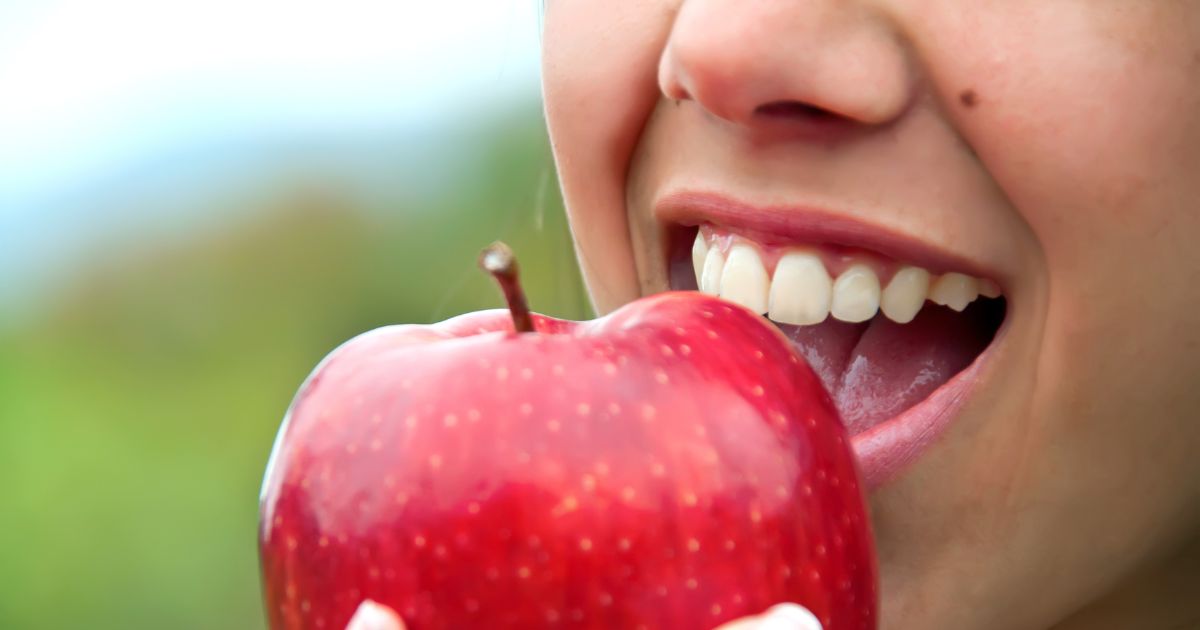
Crunchy fruits and vegetables such as apples, carrots and celery are useful in a different way, acting almost like natural toothbrushes by helping scrub away particles and plaque as you eat, while encouraging saliva flow. Saliva is your mouth’s built-in defence, helping neutralise acids and rinse away bacteria. Foods high in phosphorus, including eggs, fish and lean meats, work alongside calcium to support and protect enamel.
Foods that tend to weaken teeth
On the other side of the ledger, sugary treats and drinks are the most notorious for encouraging decay. Sugar feeds the bacteria in your mouth, which in turn produce the acids that attack enamel. Frequency matters here as much as quantity.
Acidic foods and drinks, such as citrus, tomatoes and coffee, can wear at enamel over time. They can absolutely be part of a healthy diet, but it’s wise to rinse with water afterward rather than brushing straight away, since brushing softened enamel can do more harm than good. Sticky foods like dried fruit, lollies and even crisps cling to teeth and give bacteria extra time to work, so they’re worth being mindful of too.
Finding a balance that lasts
The reassuring truth is that you don’t need to banish every less-than-ideal food. The smarter goal is balance and good timing, which is far easier to sustain than strict avoidance.
A few simple principles do most of the work: enjoy acidic or sugary treats alongside meals rather than as standalone snacks, sip water through the day to rinse the mouth, consider sugar-free gum after eating to boost saliva, and wait around 30 minutes after anything acidic before brushing. Small habits like these add up over time without feeling like a sacrifice.
A little personalised guidance
Diet is one of those areas where small, individual tweaks can make a real difference. At TMJ Therapy Centre, we’re glad to combine professional care with practical education suited to you. At your next visit, we’d be happy to offer personalised recommendations to support your dental health.
More on this topic: Diet & Nutrition