
Do Whitening Toothpastes Actually Work?
They’re everywhere and they promise a lot — here’s what they can realistically do, and what they can’t.
· Last updated
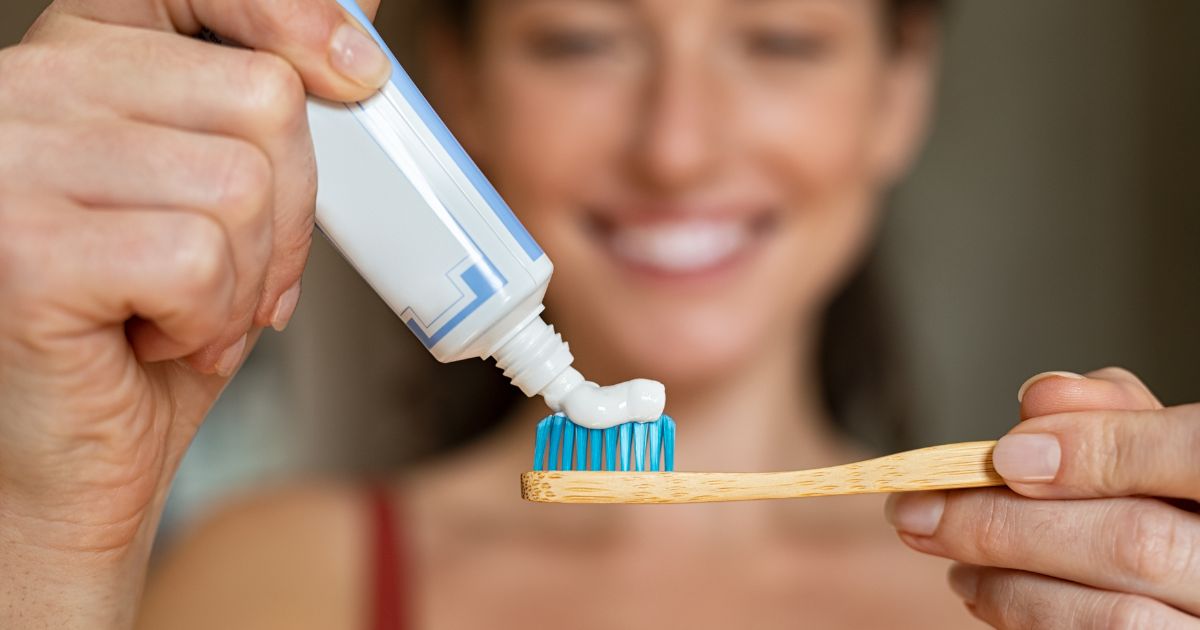
A bright, confident smile is one of those things almost everyone would happily have more of, and whitening toothpastes promise exactly that from the comfort of your bathroom. They line the supermarket shelves, each tube pledging a brighter smile with daily use. The question worth asking before you add one to your routine is a simple one: what can they actually deliver?
The honest answer is that whitening toothpastes do something real, but within clear limits. Understanding how they work makes it much easier to choose well and to keep your expectations grounded.
How whitening toothpastes work
Most whitening toothpastes rely on mild abrasives that gently polish the tooth surface, lifting away the everyday film of stains that builds up over time. Some also include ingredients such as low concentrations of hydrogen peroxide or baking soda, aimed at helping break down surface discolouration.
The key word throughout is surface. These products work on stains sitting on the outside of the enamel, the kind left behind by coffee, tea and red wine. What they don’t do is change the natural colour of your teeth or reach the deeper layers where some discolouration sits.
What you can realistically expect
Used regularly, a whitening toothpaste may help reduce surface staining gradually, keeping your teeth looking a little brighter than they otherwise would. Results vary considerably from person to person, though, shaped by brushing habits, diet, and the natural shade your teeth started from.
They’re best thought of as part of a steady oral care routine rather than a quick transformation. If you’re picturing a dramatic shift after a week, you’re likely to be disappointed; if you’re after gentle maintenance, they can suit that role well.
A note on sensitivity and overuse
A couple of cautions are worth keeping in mind. If you have sensitive teeth, it’s wise to check the label or have a quick word with your dentist before committing to a whitening formula, since some can aggravate sensitivity.
It also pays not to overdo it. The abrasives that polish away stains can, with excessive or overly vigorous brushing, contribute to enamel wear over time. Gentle, consistent use is far better than aggressive scrubbing in pursuit of faster results.
Other paths to a brighter smile
If you’re hoping for a more noticeable change than a toothpaste can offer, your dentist can talk you through other approaches, such as professional treatments or take-home kits suited to your situation. Whitening toothpaste can still play a useful part here, often as a starting point or as a way to help maintain results between appointments.
Pairing any whitening product with solid brushing habits and regular professional cleans tends to support the best long-term appearance, simply because you’re tackling stains from several angles at once.
When to ask for guidance
Not sure whether a whitening toothpaste suits you, or whether something else would serve your goals better? It’s exactly the kind of question that’s quicker to answer in person than by trial and error.
Book a visit to TMJ Therapy Centre and get personalised guidance based on your smile, your sensitivity, and what you’re hoping to achieve.
More on this topic: Diet & Nutrition