
Simple Habits That Can Help You Avoid TMJ Pain
Much of what strains the jaw comes down to small, fixable everyday habits.
· Last updated
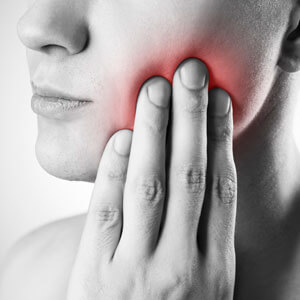
TMJ discomfort rarely stays politely confined to the jaw. It can spill over into tension headaches, facial pain, and difficulty chewing, which is part of why it’s worth taking seriously. The reassuring side is that a good deal of it traces back to everyday habits, and habits can be changed.
If you’re wondering how to ease existing jaw strain or reduce the chance of it developing in the first place, awareness is the natural starting point. Most of the contributing habits are things we do on autopilot, so simply noticing them is half the work.
The everyday habits worth watching
The most common contributors to jaw strain tend to be the things we do without thinking. Clenching the jaw when stressed, grinding the teeth at night, and chewing gum for long stretches all ask repetitive effort of the joint, and over time that can show up as tightness or clicking.
A practical first move is to reduce unnecessary load. During irritated spells, that means easing off hard, crunchy or chewy foods such as crusty bread, raw carrots and tough meats, and leaning toward softer meals while things settle. It’s a small adjustment that takes real pressure off the joint.
Posture matters more than you'd expect
It can sound unrelated, but posture has a genuine influence on how the jaw sits. Slouching, especially during long stretches at a desk, pulls the head forward and loads the neck and face in ways that can affect jaw alignment.
The fix is refreshingly simple: sit tall and set your screen at eye level. Keeping your head balanced over your shoulders, rather than craned forward, eases tension through the whole neck-and-jaw chain over the course of a day.
Protecting your jaw while you sleep
Teeth grinding during sleep, known as bruxism, is a frequent contributor to TMJ issues, and because it happens while you’re unconscious, it often goes unnoticed. A night guard may help keep the area more relaxed and protect the teeth from the effects of grinding.
If you regularly wake with headaches or a tight jaw, those are worth mentioning to your dentist, who can talk to you about whether a custom-fitted mouthpiece suits your situation.
A few easy adjustments to try
Several small, everyday measures can help take the edge off jaw tension. A heat pack on the jaw can soothe things when you feel tense, and gentle jaw and neck stretches help release built-up tightness. It’s also worth catching yourself holding tension in your face and consciously letting it go.
Beyond that, take regular posture breaks from screens through the day, and chew mindfully rather than overworking the jaw on tougher foods. None of these is dramatic on its own, but together they lighten the daily load considerably.
When to seek support
If jaw discomfort persists despite these adjustments, that’s the cue for a closer look rather than more guesswork. Want personalised support for TMJ concerns? Get in touch with TMJ Therapy Centre via our contact page and we’ll help you find a practical way forward.
More on this topic: Headaches & Migraines