
TMJ Headache and Migraine Treatment Melbourne: The Jaw Connection
Discover How Your Jaw May Be the Hidden Cause of Your Chronic Headaches and Migraines
If you're suffering from persistent headaches or debilitating migraines, the answer might be closer than you think – right in your jaw. At TMJ Therapy Centre Melbourne, we specialise in identifying and treating the often-overlooked connection between temporomandibular joint disorder (TMD) and chronic head pain. Our integrated approach combines dental expertise with physiotherapy to address the root cause, not just the symptoms.
Research shows that up to 75% of TMJ disorder patients experience headaches as a primary symptom. Many Melbourne residents struggle with headaches and migraines for years, cycling through various treatments without lasting relief. What they don't realise is that their jaw joint dysfunction may be the primary culprit. Our comprehensive examination process reveals these hidden connections, offering hope for those who have exhausted traditional headache treatments.

Can TMJ problems cause headaches and migraines?
Yes — strained jaw muscles and an irritated jaw joint refer pain into the temples, forehead, behind the eyes and the back of the head, and around three quarters of people with a TMJ disorder report headaches. Tell-tale signs are headaches that are worse on waking, tender temples, jaw clicking, or tooth wear from grinding. Treating the jaw cause — with a custom splint, muscle therapy and bite correction — often reduces headache frequency where headache medication alone has not.
- Headaches worse in the morning point to night clenching
- Jaw, bite, neck and posture assessed together
- Custom splints, physiotherapy and laser therapy
- Same-day appointments for severe pain
Understanding the TMJ-Headache Connection: How Your Jaw Causes Head Pain
The temporomandibular joint (TMJ) is one of the most complex joints in your body, connecting your jawbone to your skull. When this joint becomes dysfunctional due to injury, stress, teeth grinding (bruxism), or misalignment, it creates a cascade of problems that often manifest as headaches and migraines. Understanding this connection is the first step toward effective treatment.
TMJ disorders affect the muscles of mastication – the powerful muscles responsible for chewing. When these muscles become tense, inflamed, or spasm, they trigger referred pain patterns that extend throughout your head, neck, and shoulders. The trigeminal nerve, which controls jaw function, also carries pain signals to the same areas of the brain that process headache pain, creating a direct neurological connection between jaw dysfunction and head pain.
Research indicates that up to 80% of TMJ disorder patients experience headaches as a primary symptom. These TMJ-related headaches often present differently from typical tension headaches or migraines – frequently occurring upon waking (due to nighttime teeth grinding), accompanied by jaw stiffness, and resistant to standard headache medications. This is why many patients suffering from TMJ headaches have tried multiple treatments without success.
Types of TMJ-Related Headaches: Identifying Your Symptoms
TMJ dysfunction can trigger several distinct types of headaches, each with characteristic symptoms and patterns. Identifying which type you're experiencing helps us develop the most effective treatment plan.
Temporomandibular Headaches (TMDH)
The most common type of TMJ headache, temporomandibular headaches typically present as dull, aching pain in the temples, forehead, or sides of the head. These headaches often occur in the morning after nighttime teeth grinding and may intensify throughout the day with jaw use (chewing, talking, yawning). TMDH is frequently accompanied by jaw clicking, limited jaw opening, or facial muscle tenderness.
Cervicogenic Headaches
Cervicogenic headaches originate from neck dysfunction secondary to TMJ disorders. When jaw position is compromised, compensatory tension develops in the neck and upper shoulder muscles. This referred pain typically starts at the base of the skull and radiates forward to the temples and forehead. Patients often describe it as a "vice-like" pressure that worsens with certain head or neck positions.
TMJ-Triggered Migraines
For individuals with migraine susceptibility, TMJ dysfunction can act as a powerful trigger. Muscle tension and jaw inflammation activate trigeminovascular pathways involved in migraine pathophysiology. TMJ-triggered migraines present with classic migraine features (throbbing pain, light/sound sensitivity, nausea) but have identifiable jaw-related triggers such as chewing hard foods, jaw clenching under stress, or morning awakening.
Mixed Tension-Type Headaches
Many TMJ patients experience combined tension-type headaches affecting both the jaw muscles and the broader muscle groups of the head, neck, and shoulders. These headaches create a "hatband" distribution of pain and pressure, often described as feeling like the head is being squeezed. They may persist for hours or days and typically don't respond well to over-the-counter pain medications.
Comprehensive TMJ Headache Symptoms: What to Watch For

TMJ-related headaches present with a constellation of symptoms that extend beyond simple head pain. Recognizing these patterns is crucial for accurate diagnosis and effective treatment. If you're experiencing multiple symptoms from the list below, TMJ dysfunction may be the underlying cause of your chronic headaches.
Primary Headache Symptoms
- Morning headaches – Waking with headaches or head pain that worsens throughout the day
- Temple pain and pressure – Throbbing or aching pain in the temporal regions
- Behind-the-eye pain – Deep pressure or pain behind one or both eyes
- Forehead tension – Band-like pressure across the forehead
- Chronic daily headaches – Persistent head pain that doesn't respond to typical headache medications
Jaw and Facial Symptoms
- Clicking and popping – in the jaw joint when opening or closing mouth
- Limited jaw opening – Difficulty opening mouth fully (normal is 40-50mm)
- Jaw locking – Jaw getting stuck in open or closed position
- Jaw pain – Especially when chewing, talking, or yawning
- Facial pain – Aching or burning sensation in cheeks or jaw muscles
Ear and Neck Symptoms
- Ear pain – Discomfort in or around the ears without infection
- Tinnitus – Ringing, buzzing, or clicking sounds in the ears
- Feeling of ear fullness – Sensation of blocked or clogged ears
- Neck and shoulder pain – Chronic tension extending from jaw to shoulders
- Difficulty swallowing – Discomfort or pain when swallowing
Sleep and Daily Function Impact
- Teeth grinding sounds – Partner reports grinding or clenching during sleep
- Poor sleep quality – Waking frequently or non-restorative sleep
- Morning jaw stiffness – Tight, sore jaw muscles upon waking
- Difficulty chewing – Pain or fatigue when eating certain foods
- Sensitivity to jaw movements – Pain triggered by talking, laughing, or yawning
Do these symptoms sound familiar?
TMJ ASSESSMENTWhat Causes TMJ-Related Headaches? Understanding the Root Factors
TMJ headaches don't develop randomly – they result from specific underlying factors affecting jaw function and muscle balance. Identifying and addressing these root causes is essential for lasting relief.
Bruxism (Teeth Grinding and Clenching)
Nocturnal bruxism is one of the most common causes of TMJ headaches. During sleep, powerful grinding forces – often 6-10 times stronger than normal chewing – place enormous stress on the jaw joints and muscles. This sustained muscle contraction creates trigger points in the masseter and temporalis muscles that directly refer pain to the temples and forehead. Most bruxism sufferers are unaware they grind their teeth until a partner reports hearing it or a dentist identifies tooth wear patterns.
Stress and Anxiety
Psychological stress manifests physically through jaw tension. Under stress, many people unconsciously clench their jaw muscles throughout the day, creating sustained muscle contraction similar to holding a weight for hours. This chronic muscle tension leads to muscle fatigue, trigger point development, and referred pain patterns characteristic of TMJ headaches. Stress also increases overall muscle tone and can worsen nighttime bruxism.
Postural Dysfunction
Forward head posture, common in desk workers and mobile phone users, significantly affects jaw position and function. When the head shifts forward, the lower jaw must work harder to maintain position, creating chronic muscle strain. This postural imbalance affects the entire kinetic chain from the jaw through the neck and upper back, contributing to both TMJ dysfunction and cervicogenic headaches.
Dental Malocclusion (Bite Problems)
Improper bite alignment forces jaw muscles to compensate constantly, leading to chronic muscle tension and joint strain. Malocclusion can result from missing teeth, poorly fitted dental work, orthodontic issues, or developmental factors. When teeth don't fit together properly, the jaw must continuously adjust position during chewing and rest, creating the sustained muscle activity that triggers TMJ headaches.
Trauma and Injury
Direct trauma to the jaw from accidents, sports injuries, or dental procedures can damage TMJ structures and surrounding tissues. Even seemingly minor injuries can cause lasting dysfunction if inflammatory processes persist or if protective muscle guarding becomes habitual. Whiplash injuries are particularly problematic as they affect both the neck and jaw simultaneously.
How We Diagnose TMJ-Related Headaches: Our Comprehensive Assessment
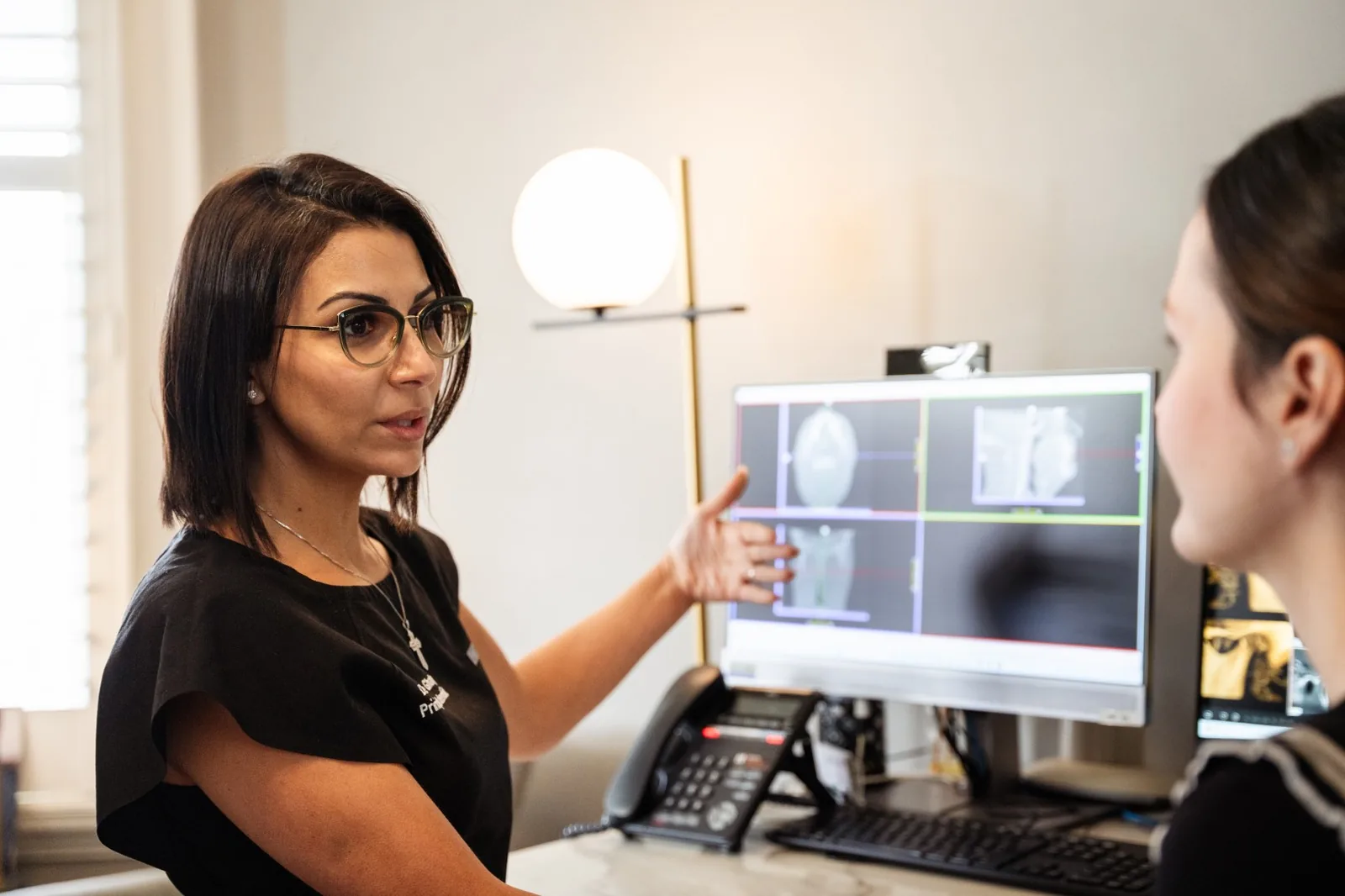
Accurate diagnosis is the foundation of effective TMJ headache treatment. At TMJ Therapy Centre, we employ a thorough, multi-dimensional assessment process to identify the specific dysfunctions causing your head pain.
Detailed Medical History
Your assessment begins with an in-depth discussion of your headache patterns, including frequency, intensity, timing (morning vs evening), triggers, and previous treatments attempted. We explore associated symptoms such as jaw clicking, neck pain, sleep quality, and stress levels. This comprehensive history often reveals patterns that point directly to TMJ involvement.
Physical Examination
Our practitioners perform detailed examination of jaw function, including measurement of jaw opening range, assessment of jaw movement patterns, palpation of jaw and facial muscles for tenderness and trigger points, evaluation of bite alignment and tooth wear patterns, and assessment of neck posture and cervical spine function. This hands-on examination identifies specific muscle imbalances and joint dysfunctions.
Functional Testing
We assess how your jaw functions during real-world activities – chewing, talking, yawning – to identify movement patterns that trigger or worsen headaches. This may include provocation testing where specific jaw positions or movements are evaluated for their effect on head pain. Muscle strength and endurance testing helps identify weak or overworked muscle groups.
Advanced Imaging (When Indicated)
For complex cases or when structural damage is suspected, we may recommend imaging studies including panoramic X-rays to visualise joint structures and tooth positions, MRI to evaluate soft tissue structures and disc position, or CT scans for detailed bone assessment. While not always necessary, imaging provides valuable information for treatment planning in appropriate cases.
Differential Diagnosis
A critical component of our assessment is ruling out other headache causes and confirming TMJ involvement. We differentiate TMJ headaches from pure migraines, tension headaches, cervicogenic headaches, sinus headaches, and other primary headache disorders. This ensures you receive appropriate treatment for your specific condition.
Your comprehensive TMJ headache assessment typically takes 60 minutes and is often covered by health insurance under dental or physiotherapy benefits. We provide detailed written reports explaining our findings and recommended treatment approach.
Our Proven TMJ Headache Treatment Approach
Effective TMJ headache treatment requires a multidisciplinary approach that addresses both the underlying joint dysfunction and the secondary effects on surrounding muscles and structures. At TMJ Therapy Centre Melbourne, we employ evidence-based treatment modalities tailored to each patient's specific presentation and needs. Most patients experience significant headache reduction within 4-6 weeks of starting treatment.
Our integrated treatment combines three key components: occlusal splint therapy using custom-fabricated oral appliances to reduce grinding forces and optimise jaw positioning; specialised TMJ physiotherapy including manual therapy techniques, trigger point release, and therapeutic exercises; and neuromuscular dentistry principles to achieve proper jaw alignment and reduce strain on the TMJ system. This comprehensive approach delivers superior results compared to single-discipline treatments.
Treatment typically involves 6-12 sessions over 8-12 weeks, with most patients noticing improvement in headache frequency and intensity within the first month. We provide ongoing monitoring and adjustment of treatment protocols as you progress. Our goal isn't just symptom relief – it's addressing the root cause to prevent headache recurrence and improve your overall quality of life.
Preventing TMJ Headaches: Lifestyle Strategies for Long-Term Relief
While professional treatment is essential for addressing existing TMJ dysfunction, incorporating these prevention strategies helps maintain results and reduce headache recurrence.
Stress Management Techniques
Implement daily stress reduction practices including deep breathing exercises, progressive muscle relaxation, mindfulness meditation, or regular exercise. Consider scheduling stress-release activities before bed to reduce nighttime jaw clenching. Even 10 minutes of daily relaxation practice can significantly reduce jaw muscle tension and headache frequency.
Sleep Position Optimisation
Sleep on your back or side with proper pillow support to maintain neutral head and neck alignment. Avoid stomach sleeping, which forces your jaw into awkward positions for extended periods. Use a supportive pillow that keeps your head level with your spine rather than elevated.
Dietary Modifications
Choose jaw-friendly foods that require minimal chewing force during active TMJ dysfunction. Avoid hard, chewy, or sticky foods that place excessive stress on jaw muscles. Cut food into smaller pieces. Stay hydrated to support muscle function. Reduce caffeine intake if it increases muscle tension or interferes with sleep quality.
Workplace Ergonomics
Set up your workspace to promote good posture – monitor at eye level, elbows at 90 degrees, feet flat on floor. Take regular breaks to perform gentle neck and jaw stretches. Avoid cradling phone between shoulder and ear. Be mindful of jaw clenching when concentrating on tasks.
Jaw Awareness and Relaxation
Throughout the day, check in with your jaw position. In relaxed position, teeth should be slightly apart with tongue resting gently on the roof of your mouth. Practice gentle jaw exercises and stretches recommended by your physiotherapist. Avoid chewing gum or biting fingernails.
Regular Follow-Up Care
Maintain periodic check-ups even after symptoms resolve to ensure proper jaw function continues. Wear your occlusal splint as directed, especially during stressful periods. Address dental issues promptly to maintain proper bite alignment. Continue prescribed home exercises to maintain jaw mobility and strength.
Frequently Asked Questions About TMJ Headaches and Migraines
TMJ Headache Treatment Across Melbourne
TMJ Therapy Centre serves patients throughout Melbourne and surrounding suburbs, providing accessible TMJ headache and migraine treatment for residents across the metropolitan area. Our central Toorak location offers convenient access via public transport and ample parking.
Toorak & South Yarra
Our primary clinic location serves the local Toorak and South Yarra communities with comprehensive TMJ headache treatment. Easy access via Toorak Road and Toorak Station. Convenient parking available. Evening and Saturday appointments to accommodate busy schedules.
Book Toorak AppointmentPrahran, Windsor & Armadale
Convenient access for Prahran, Windsor, and Armadale residents seeking expert TMJ headache relief. Short drive or tram ride to our Toorak clinic with flexible appointment scheduling including same-day consultations for urgent headache cases.
Schedule AssessmentMelbourne CBD & Beyond
Professional TMJ headache treatment for CBD workers and residents throughout greater Melbourne. Extended hours available to accommodate work schedules. We welcome patients from across Melbourne who are seeking specialised TMJ headache expertise.
Contact Our TeamStop Suffering from TMJ Headaches – Get Expert Relief Today
If you're experiencing chronic headaches or migraines that haven't responded to traditional treatments, your jaw may be the missing piece of the puzzle. Research shows that 75% of TMJ disorder patients experience headaches as a primary symptom, yet many suffer for years before discovering the jaw connection. Our Melbourne TMJ experts have helped thousands of patients achieve lasting headache relief through comprehensive, evidence-based treatment.
Don't let TMJ headaches control your life any longer. Our integrated approach combines dental expertise with specialised physiotherapy to address the root cause of your head pain. With same-day appointments available, flexible scheduling including Saturdays, and all health funds accepted, there's no reason to wait. Most patients experience significant improvement within 4-6 weeks of starting treatment.