
Could Poor Sleep Be Affecting Your Jaw Health?
The relationship runs both ways — and that's exactly why it's worth untangling.
· Last updated
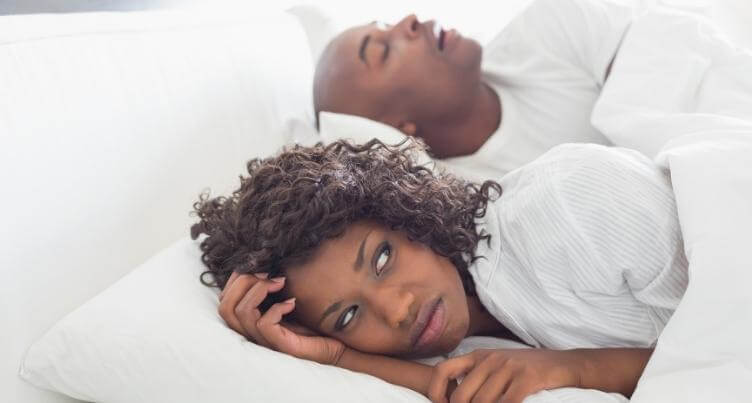
Most people think of sleep and jaw health as separate concerns. In practice they interact quite closely, and the relationship runs in both directions: poor sleep can affect the jaw, and jaw problems can disturb sleep. Untangling which is leading can make a real difference to how you approach it.
How sleep affects the jaw
Much of what happens to the jaw overnight happens without your knowledge. Clenching and grinding occur during sleep, and both tend to increase during periods of stress or when sleep is fragmented and unrefreshing.
There's also the breathing dimension. If breathing becomes effortful during sleep, muscle activity around the jaw and airway can increase — which may be part of why people with disrupted sleep so often show signs of overnight jaw activity: worn teeth, morning soreness, headaches on waking.
How the jaw affects sleep
The relationship also works the other way. Jaw pain can make it harder to settle and stay asleep, and pain that's worse when lying down can interrupt the night. Where jaw position contributes to a narrower airway, sleep quality can suffer for that reason too.
The result is a loop that's easy to get stuck in: poor sleep contributes to jaw strain, jaw strain disturbs sleep. Which is why treating either one in isolation sometimes gives only partial results.
Signs the two are connected for you
It's worth paying attention if you notice several of these together: waking with jaw soreness, tightness or headaches; snoring or a dry mouth on waking; feeling unrefreshed despite adequate hours; teeth that are wearing or flattening; or jaw discomfort that's worse in the morning than the evening.
Any one of these alone may mean little. Several together suggest the two areas are worth looking at as one picture.
What can help
Because the causes vary, the useful first step is understanding what's actually happening rather than reaching for a single fix. That means assessing how the jaw functions, checking the teeth for signs of overnight activity, and considering whether sleep and breathing warrant attention from the appropriate health professionals.
Sensible sleep habits — consistent timing, a wind-down routine, managing stress — genuinely help and cost nothing to try. Where clenching is wearing the teeth, protecting them matters. And where disrupted breathing appears to be part of the picture, that's a medical question best assessed properly, with dental care working alongside it.
Worth looking into
If you recognise this pattern, get in touch with TMJ Therapy Centre to arrange an assessment. Understanding how your sleep and your jaw are interacting is a far better starting point than guessing.
More on this topic: Sleep Apnoea & Snoring