TMJ Pain Treatment in Melbourne — Expert Jaw & Facial Pain Relief
Expert TMJ pain management combining experienced dentistry and physiotherapy at our Toorak clinic. Serving Prahran, Armadale, Caulfield & surrounding Melbourne suburbs.
The temporomandibular joint (TMJ) connects your jawbone to your skull and is essential for everyday functions like eating, speaking, and yawning. When this joint becomes dysfunctional — a condition known as temporomandibular joint disorder (TMD) — it can cause significant pain in the jaw, face, head, and neck. At TMJ Therapy Centre in Melbourne, our experienced TMJ dentists and physiotherapists work together to identify the root cause of your pain and develop a personalised treatment plan for lasting relief.

What causes TMJ pain and how is it treated?
TMJ pain usually comes from strain in the jaw joint and the muscles around it — most often teeth grinding or clenching, a bite that doesn't meet evenly, stress-related muscle tension, injury, joint degeneration or disrupted sleep and breathing. At our Toorak clinic a dentist and a physiotherapist assess the joint, muscles, bite and posture together, then combine muscle therapy, bite support such as a custom splint, and self-care guidance. Most people need no surgery.
- Assessment usually takes about 60 minutes
- Dentist and physiotherapist work together
- Custom splints, manual therapy, laser and exercises
- Private health funds claimable on site
What Causes TMJ Pain and Jaw Dysfunction?
TMJ pain can develop from a wide range of factors, and in many cases multiple causes contribute simultaneously. Understanding what's driving your jaw pain is the first step toward effective treatment. Common causes of TMJ dysfunction include:
Teeth grinding and clenching (bruxism) — Habitual grinding or clenching, often during sleep, places excessive pressure on the jaw joint and surrounding muscles. Over time, this leads to muscle fatigue, joint inflammation, and progressive pain. Bruxism is one of the most common causes of TMJ disorders and often goes undiagnosed.
Bite misalignment and dental issues — When the upper and lower teeth don't meet properly, the jaw muscles must work harder to compensate. This chronic strain can trigger TMJ pain, particularly during eating or speaking. Orthodontic assessment may reveal alignment issues contributing to your symptoms.
Stress and muscle tension — Emotional stress frequently manifests as physical tension in the jaw, neck, and shoulders. Many patients unconsciously clench their jaw during stressful periods, creating a cycle of muscle tension and pain that worsens over time.
Jaw injury or trauma — A direct blow to the jaw, whiplash injuries, or even prolonged dental procedures can damage the TMJ or surrounding structures, leading to acute or chronic pain.
Arthritis and joint degeneration — Osteoarthritis or rheumatoid arthritis can affect the TMJ, causing cartilage breakdown, inflammation, and restricted movement. Degenerative changes in the joint are more common in older patients.
Sleep disorders and airway issues — Sleep apnoea and other breathing disorders can cause nocturnal jaw clenching as the body attempts to maintain an open airway. This creates a direct link between poor sleep quality and TMJ pain that requires integrated treatment.
Posture and musculoskeletal factors — Forward head posture, neck misalignment, and upper body tension can alter jaw mechanics and contribute to TMJ dysfunction. Our physiotherapy assessment includes postural evaluation as part of comprehensive diagnosis.
Because TMJ pain rarely has a single cause, effective treatment requires thorough assessment by a TMJ expert who can identify all contributing factors and address them systematically.
Book a TMJ AssessmentSigns and Symptoms of TMJ Dysfunction
Jaw Symptoms
Jaw pain and facial pain
Persistent or intermittent pain in the jaw joint, cheeks, or temples — often worse in the morning or after eating.
Clicking, popping, or grinding sounds
Audible noises when opening or closing the mouth, indicating joint disc displacement or irregularity.
Lock jaw and restricted movement
Difficulty opening the mouth fully, or the jaw locking in an open or closed position.
Teeth grinding and clenching (bruxism)
Unconscious grinding during sleep or daytime clenching, often linked to stress or bite issues.
Head & Ear Symptoms
Chronic headaches and migraines
Tension headaches originating from the jaw muscles, often mistaken for standard migraines.
Ear pain, fullness, and tinnitus
The TMJ sits directly in front of the ear canal — dysfunction can cause earache, ringing (tinnitus), and a sensation of blocked ears.
Facial swelling
Inflammation around the jaw joint causing visible swelling in the cheek or temple area.
Dizziness and vertigo
TMJ-related muscle tension and nerve compression can contribute to balance issues and lightheadedness.
Whole Body Symptoms
Neck and shoulder pain
Jaw dysfunction frequently radiates tension into the neck, shoulders, and upper back.
TMJ pain and associated bruxism disrupt sleep quality, leading to chronic tiredness and daytime fatigue.
Difficulty eating and speaking
Pain or restricted movement making chewing, yawning, or prolonged conversation uncomfortable.
Brain fog and concentration issues
Chronic pain, poor sleep, and muscle tension can impair focus and mental clarity.
Many patients are surprised to learn that symptoms like ear pain, dizziness, and chronic headaches are connected to TMJ dysfunction. If you're experiencing any combination of these symptoms, a comprehensive TMJ assessment can determine whether jaw dysfunction is the underlying cause.
Comprehensive TMJ Pain Treatment Options
At TMJ Therapy Centre, we offer an integrated approach to TMJ pain treatment that combines dental expertise with senior physiotherapy. Rather than treating symptoms in isolation, our multidisciplinary team addresses all contributing factors to deliver lasting pain relief. Treatment options include:
Custom TMJ Splints & Mouth Guards
Custom TMJ splints are often the foundation of effective jaw pain treatment. Unlike over-the-counter mouth guards, our splints are precision-crafted from digital impressions to reposition your jaw into optimal alignment, reduce joint stress, and protect your teeth from grinding damage.
We offer nighttime splints for sleep-related bruxism, daytime splints for chronic jaw tension, and repositioning splints that gradually guide the jaw into improved alignment. Most patients experience noticeable pain relief within the first week of wear.
Learn About Splint Therapy →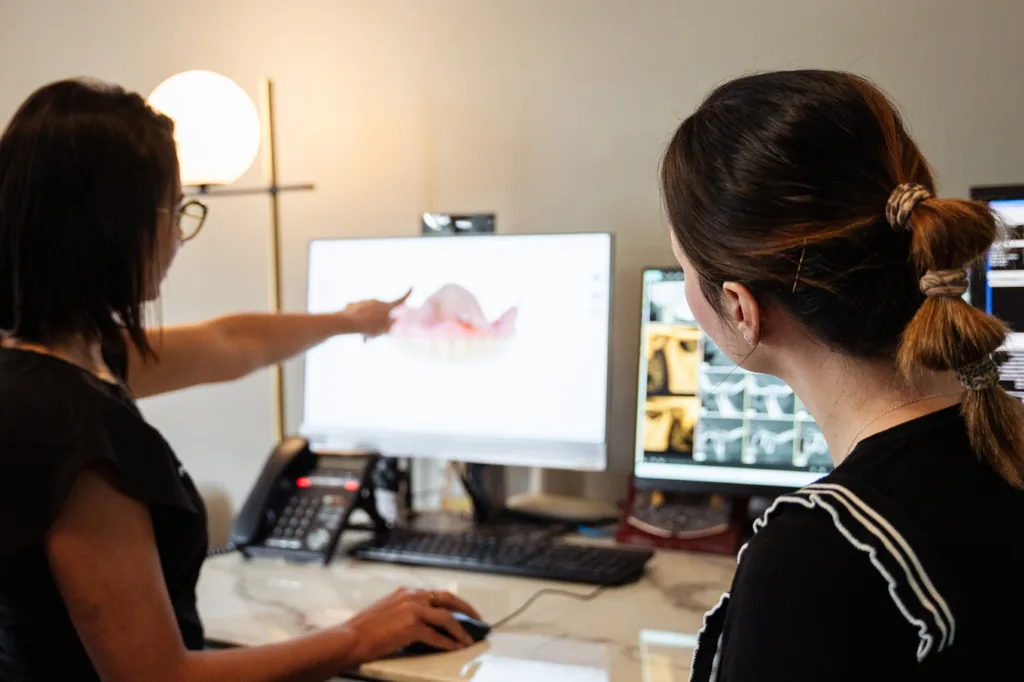
Senior TMJ Physiotherapy for Pain Relief
Our physiotherapy program targets the muscular component of TMJ pain through manual therapy, myofascial release, dry needling, and progressive jaw exercises. Physiotherapist Ari Esterman works collaboratively with our dental team to address muscle imbalances, trigger points, and postural factors contributing to your jaw pain.
TMJ physiotherapy is particularly effective for jaw stiffness, limited mouth opening, tension headaches, and neck pain associated with jaw dysfunction. Most patients notice significant improvement within 2–3 sessions, with treatment programs typically running 6–8 weeks.
Explore TMJ Physiotherapy →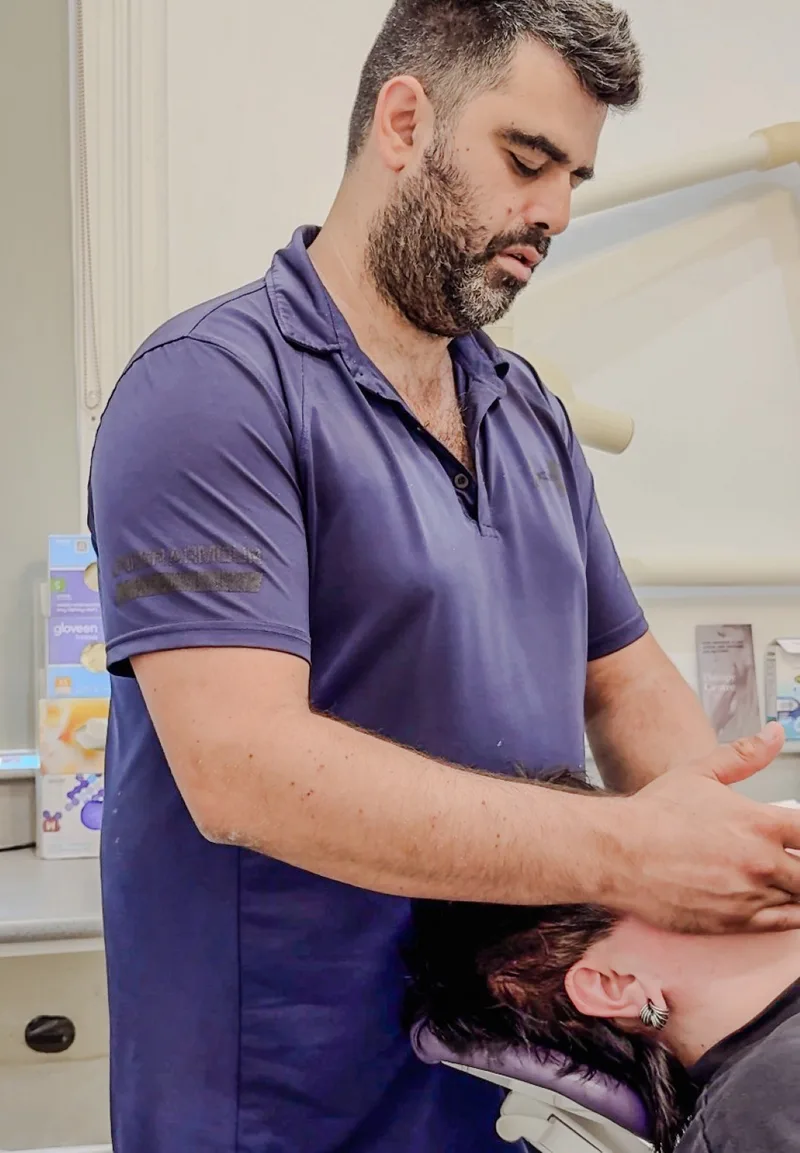
Neuromuscular Dentistry for TMJ Dysfunction
Neuromuscular dentistry focuses on the relationship between your jaw muscles, joints, and bite alignment. Using advanced diagnostic techniques, we identify imbalances in how your jaw muscles function and develop treatment plans to restore proper neuromuscular harmony.
This approach is particularly valuable for patients whose TMJ pain stems from bite misalignment, chronic muscle fatigue, or long-standing jaw dysfunction that hasn't responded to conventional treatment.
How Neuromuscular Dentistry Works →
Sleep Apnoea and TMJ Pain — The Connection
Sleep disorders and TMJ dysfunction are closely linked. Sleep apnoea often causes nocturnal jaw clenching as the body attempts to maintain open airways, placing excessive stress on the TMJ and surrounding muscles. This creates a cycle where poor sleep worsens jaw pain, and jaw pain disrupts sleep quality.
We offer oral appliance therapy as an effective alternative to CPAP machines, treating both sleep-disordered breathing and TMJ dysfunction simultaneously. Addressing the sleep component of TMJ pain frequently produces dramatic improvements in both sleep quality and jaw comfort.
Sleep & TMJ Solutions →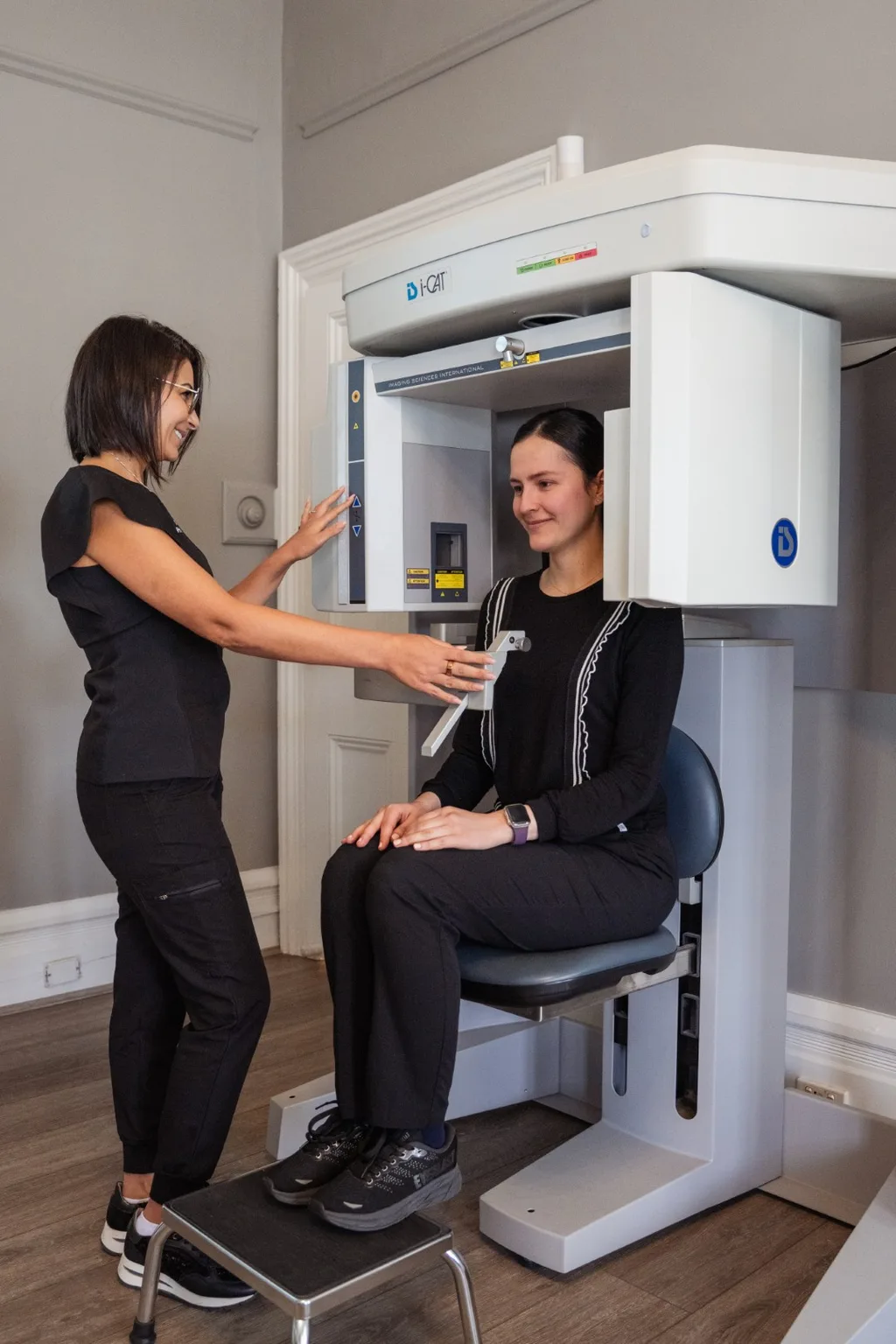
MLS Laser Therapy for TMJ Pain
Our MLS (Multiwave Locked System) laser therapy provides non-invasive pain relief by reducing inflammation and accelerating tissue healing at the cellular level. This advanced photobiomodulation technology delivers rapid pain reduction for acute TMJ flare-ups and supports healing alongside other treatment modalities.
Laser therapy sessions are quick, comfortable, and medication-free — making them ideal for patients seeking drug-free pain management options.
About Laser Therapy →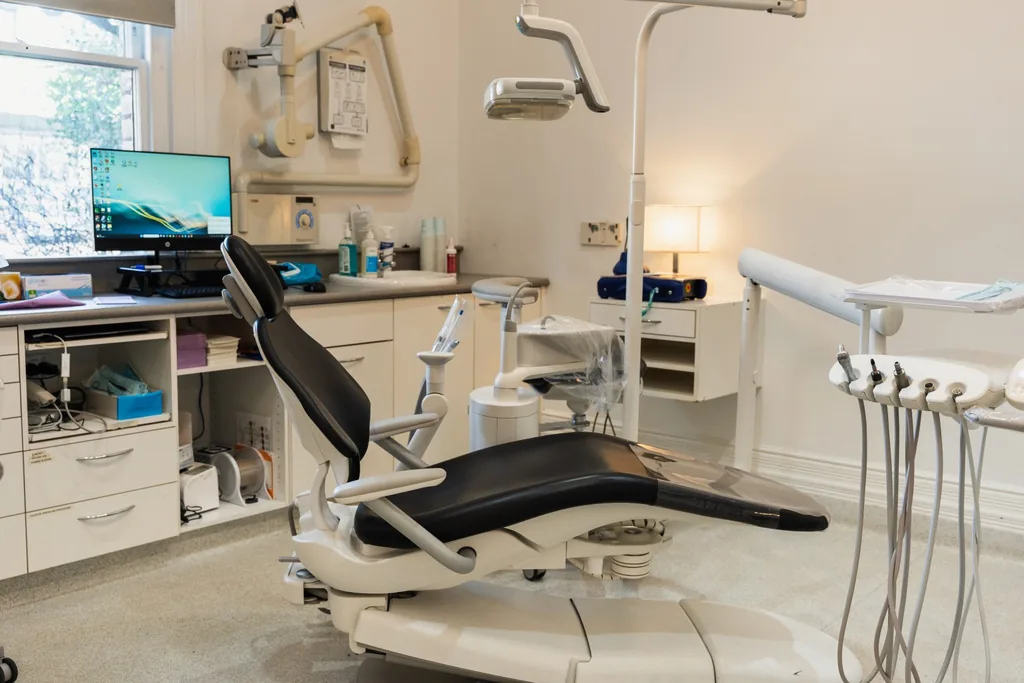
How We Diagnose and Treat Your TMJ Pain
Every TMJ case is unique, which is why we begin with thorough assessment before recommending any treatment. Our systematic diagnostic process ensures we identify all contributing factors and develop a targeted treatment plan for your specific condition.
Comprehensive TMJ Assessment
Your first appointment is a detailed 60–90 minute evaluation. We review your medical and dental history, discuss your symptoms and how they affect your daily life, and perform a physical examination of your jaw joint, muscles, and bite alignment. Advanced diagnostic tools including digital jaw tracking and muscle tension analysis help us build a complete picture of your TMJ dysfunction.
Personalised Treatment Plan
Based on your assessment findings, we develop a customised treatment plan that addresses all identified contributing factors. We explain each recommended treatment, expected timelines, and anticipated outcomes. You'll have a clear understanding of your condition and the path to recovery before any treatment begins.
Integrated Treatment Phase
Active treatment typically spans 6–12 weeks depending on severity. We combine immediate pain relief strategies with longer-term healing protocols — custom splint fitting within the first week, concurrent physiotherapy sessions, and regular progress monitoring. Most patients experience significant improvement within 2–3 weeks of starting treatment.
Maintenance and Prevention
Once your symptoms are resolved, we develop a personalised maintenance program to prevent recurrence. This includes periodic splint adjustments, ongoing exercises, and lifestyle strategies tailored to your specific risk factors. Our goal is lasting relief, not just temporary improvement.
What to Expect at Your First TMJ Appointment
At your first visit, you'll sit down with our TMJ expert dentist, Dr Julie Ghaly, in our comfortable consultation area to discuss your symptoms, medical history, and how TMJ pain is affecting your daily life. Unlike a standard dental appointment, our TMJ consultations are thorough and unhurried — typically lasting 60–90 minutes.
From the information gathered during your consultation and physical examination, we determine the contributing factors behind your TMJ pain and whether you're a candidate for treatment at our clinic. We assess your jaw movement, muscle tension, bite alignment, posture, and breathing patterns to build a comprehensive understanding of your condition.
If we can help you, we'll provide a clear diagnosis and discuss the treatment options we believe will be most effective for your specific situation. You'll receive a detailed treatment plan with expected timelines, costs, and outcomes before making any commitment. We believe in informed decision-making — you'll never be pressured into treatment.
Get Started Today
We offer same-day emergency appointments and Saturday availability to fit your schedule. Whether you need urgent relief from acute jaw pain or want to begin a comprehensive treatment program, our team is ready to help. Call us directly or book online — no referral needed.
Frequently Asked Questions About TMJ Pain
Your TMJ Pain Experts in Melbourne

Dr Julie Ghaly — Principal TMJ Dentist
As a leading TMJ expert in Melbourne, Dr Julie brings together dental, medical, and neuromusculoskeletal expertise to deliver integrated jaw pain treatment. She partners with each patient to identify the root cause of their pain and develops personalised care plans focused on lasting relief.
Meet Dr Julie →Our Multidisciplinary TMJ Team
Effective TMJ pain treatment requires expertise across multiple disciplines. Our team includes experienced TMJ dentists trained in neuromuscular dentistry, a dedicated TMJ physiotherapist experienced in jaw muscle rehabilitation, and practitioners with advanced qualifications in sleep medicine and orthodontics. This collaborative model ensures every aspect of your TMJ dysfunction is addressed.
Meet the Full Team →TMJ Pain Treatment Across Melbourne's Inner South-East
TMJ Therapy Centre is located at Unit 1, 707 Malvern Road, Toorak — conveniently accessible to patients experiencing jaw pain across Melbourne's inner south-east suburbs. We regularly treat patients from Prahran, Armadale, South Yarra, Caulfield, Malvern, Canterbury, Glen Iris, and Hawthorn.
Whether you're searching for a TMJ pain expert near Prahran, facial pain treatment in Caulfield, jaw pain relief in Armadale, or a TMJ physiotherapy clinic in Melbourne's south-east, our Toorak practice is just minutes away with easy parking and public transport access.
TMJ Pain Treatment & Facial Pain Experts — Melbourne, Prahran, Armadale & Toorak VIC | (03) 9804 7454