
Understanding the Airway-TMJ Connection
The jaw and the airway share the same small space — and what affects one often affects the other.
· Last updated
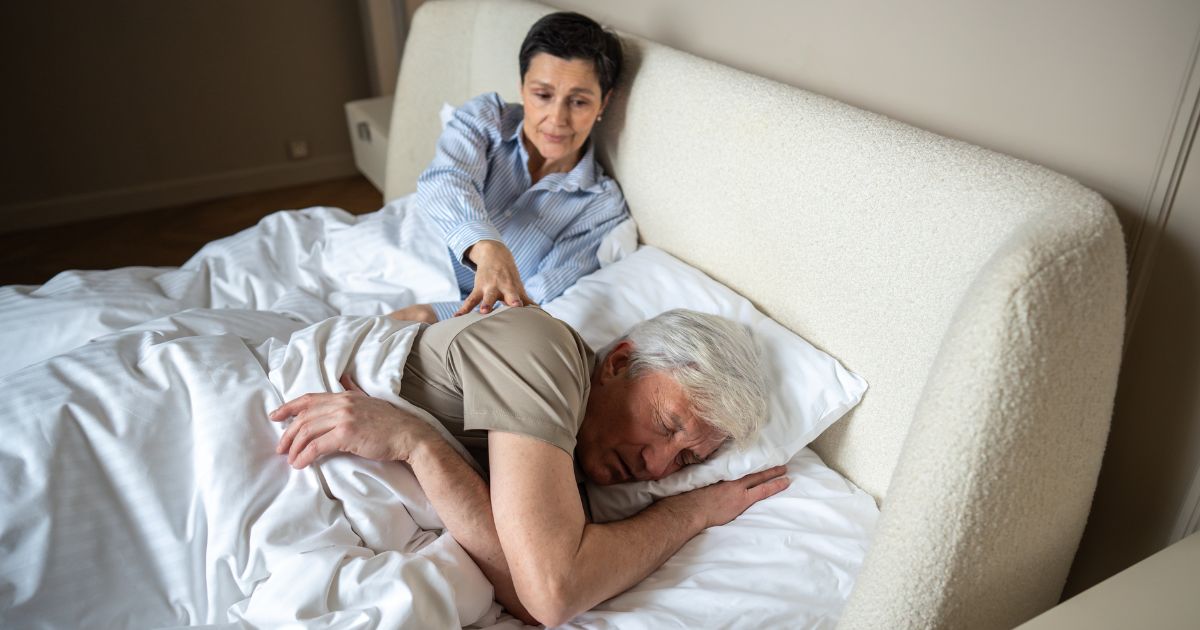
Two things that seem unrelated — how your jaw works, and how you breathe — turn out to share a great deal of anatomy. The lower jaw, the tongue, the soft tissues of the throat and the upper airway all occupy the same compact space, and they influence one another. Understanding that relationship explains a lot about why jaw problems and breathing problems so often appear together.
This is general education rather than a diagnostic guide, and breathing difficulties during sleep are a medical matter requiring proper assessment. But the connection is worth understanding.
Why the jaw and airway are linked
The position of the lower jaw affects where the tongue sits. The tongue, in turn, sits directly in front of the airway. So when the jaw is positioned further back, or is smaller or narrower than the surrounding structures need it to be, the space available at the back of the throat can be reduced. The temporomandibular joint (TMJ) sits at the centre of this anatomy, which is why its position and function matter beyond the jaw itself.
It doesn't take much. The airway is a small space to begin with, and during sleep the muscles that hold it open relax. A modest reduction in room can become more significant when everything softens overnight, which is part of why breathing during sleep can be affected by jaw and airway anatomy.
How this shows up
The signs tend to appear in two clusters that patients rarely connect.
On the jaw side: clenching or grinding, morning jaw pain or headaches, tooth wear, clicking or limited jaw movement.
On the breathing and sleep side: snoring, mouth breathing, waking with a dry mouth, waking unrefreshed, or daytime tiredness that doesn't match the hours slept.
When someone has symptoms from both lists, it's reasonable to consider whether they share a root rather than treating them as two separate problems that happen to coincide.
What may be happening
One explanation for the overlap is that the body works to maintain its airway. If breathing becomes effortful during sleep, muscle activity around the jaw and airway can increase — which may be part of why jaw activity and disrupted breathing so often occur together.
This is an area where understanding continues to develop, and it varies considerably between individuals. What it means practically is that jaw symptoms are sometimes worth considering alongside sleep and breathing, rather than in isolation.
Where dentistry fits — and where it doesn't
A dentist can assess jaw function, bite, tooth wear, tongue position and oral anatomy, and recognise signs that suggest breathing may warrant further attention. That's a genuinely useful contribution.
What a dentist doesn't do is diagnose a sleep breathing disorder. Conditions such as obstructive sleep apnoea are medical, diagnosed by a physician and usually confirmed with a sleep study. Where a dental appliance has a role, it's decided alongside that medical assessment, not instead of it. Good care here is collaborative.
Why the root-cause view matters
If jaw symptoms and sleep symptoms share a common thread, addressing only one may give partial relief at best. Looking at the whole picture — jaw, bite, airway, sleep — makes it more likely that what's actually driving the symptoms is understood, and the right people are involved.
If you recognise symptoms from both lists above, get in touch with TMJ Therapy Centre to arrange an assessment, and we'll look at how the pieces fit together for you.
More on this topic: Our Holistic Approach